When Training Feels Hard: What Griff Is Teaching Me Right Now
 Sue Watkins
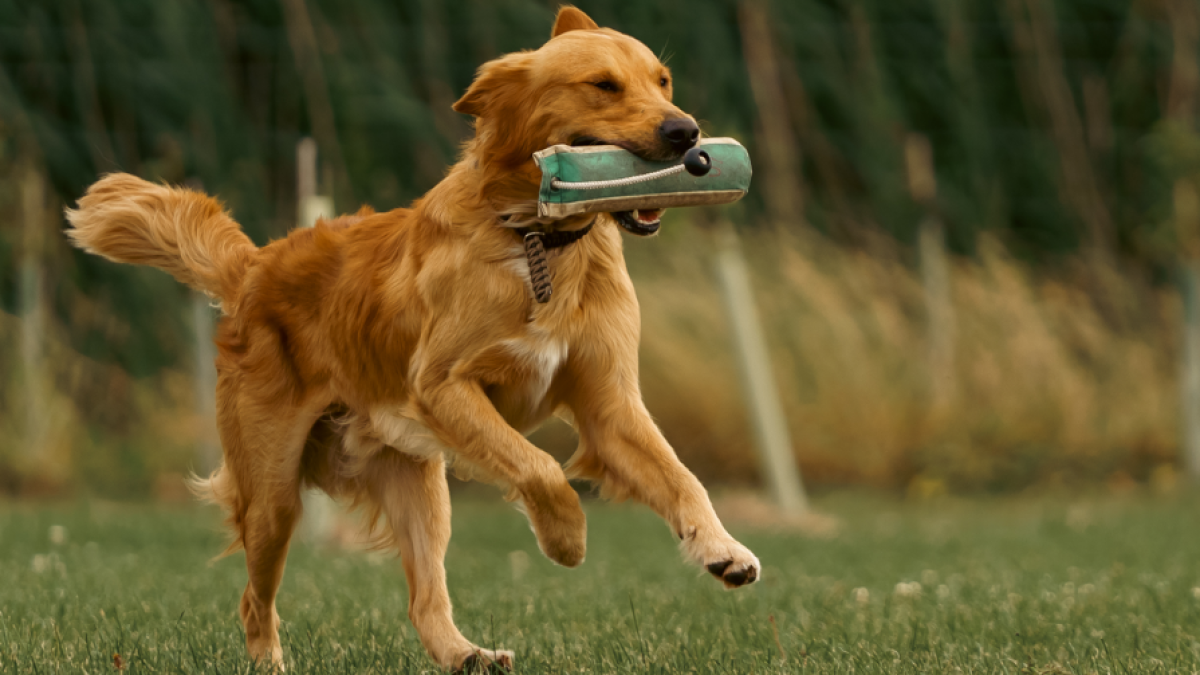
Griff’s training isn’t perfect—but it’s real, honest, and a work in progress worth sharing.
When Training Feels Hard: What Griff Is Teaching Me Right Now
It would be very easy to write about the sessions where everything goes right.
The neat retrieves. The calm heelwork. The moments where everything feels connected and flowing.
But the reality of training—especially with a young, enthusiastic and driven dog—is that it doesn’t always look like that.
Griff has just turned two now, and like many dogs at this stage, he is very much his own dog. Capable, energetic, thoughtful—and at times, very challenging in all the right ways.
At the moment, there are two areas of our training that we are working through. Not failing—just evolving.
The Challenge of Group Training
Griff absolutely loves group training.
And that, in itself, is part of the challenge.
His excitement shows itself in his inability to walk at heel and manage himself in that environment. The self-management side is improving—slowly—but heelwork in that context is still very much a work in progress.
Once he is actually engaged in the exercise, everything changes. He becomes focused, thoughtful, and very much “on point.” So the understanding is there—it’s the emotional regulation and anticipation that we are working through.
I can’t attend group training every day. Like most people, time and finances don’t allow for that. So instead, I have to be thoughtful about how I build the picture elsewhere.
These days I feel that walking at heel is about a state of mind just as much as steadiness is. It’s not just a position—it’s a way of being with me, regardless of environment or expectation.
So I’m building it into Griff’s everyday life:
- Walking at heel from room to room
- Walking at heel while preparing all the dogs’ food
- Walking at heel to and from the car
- Walking at heel in and out of the training field
It becomes less about “training heelwork” and more about “this is how we move together.”
Alongside this, I’m adding carefully chosen distractions. Griff isn’t food motivated, so I have had to experiment and adapt. A remote toy didn’t quite create the connection I needed, so I’ve shifted direction again.
What does seem to reinforce his choices is a thrown tennis ball.
I’m mindful with this. I always mark the heelwork before releasing him with an informal play cue. The aim is clarity—he doesn’t just get to chase a ball; he earns the release through the right behaviour. I don’t want him building a picture where randomly thrown balls become part of the expectation.
This is all being built through trial, error, and adjustment.
The Stop Whistle: Building Meaning, Not Just Response
The second area we’re working through is Griff’s stop whistle.
He understands it. That part is clear.
But at the moment, he doesn’t really see the value in it.
And that’s the key point.
I wouldn’t say I’m simply incorporating the whistle into daily life. Instead, I’m working through a variety of structured exercises and games that are designed to give stopping meaning—something that adds value, clarity, and purpose for him.
We are building a reason to stop, not just a reflex.
Griff is a dog who has a great deal of confidence in his ability to hunt and retrieve. That’s a wonderful thing in many ways, but it also means that unless he feels challenged or uncertain, stopping doesn’t naturally register as important.
So we are working through that carefully. And there has been progress—but it is very much ongoing.
Nothing about it is instant.
Nothing about it is finished.
It Would Be Easy to Get Frustrated
And I do.
I am human.
There are days where I look at Griff and think about how much further we have to go. There are moments where frustration creeps in, especially when I know he is capable, but not yet consistent.
And yes, I do look at other dogs and admire their ability and composure. That is part of being in the training world—you see many different journeys happening at once.
But I also remind myself of something important: we are not all working to the same timeline.
Different temperaments make different aspects of training easier or harder. Some dogs naturally carry more stillness. Some naturally carry more drive. Some find heelwork effortless, others find hunt patterns simple. Very few find everything easy.
Griff is no exception to that.
A Work in Progress
Griff is enthusiastic, driven, and very much still developing the ability to channel all of that into consistent partnership work.
We are not there yet.
But we are absolutely on the way.
And if anything, these “in-between” stages are where the real training happens. Not in perfection, but in the constant adjusting, learning, and rebuilding of understanding between dog and handler.
It’s easy to forget that sometimes.
But I try not to.
Because this is the work.
And Griff, in his own way, is teaching me just as much as I am teaching him.