Week 10: Handling Skills Indoors – When the Weather Closes In
 Sue Watkins
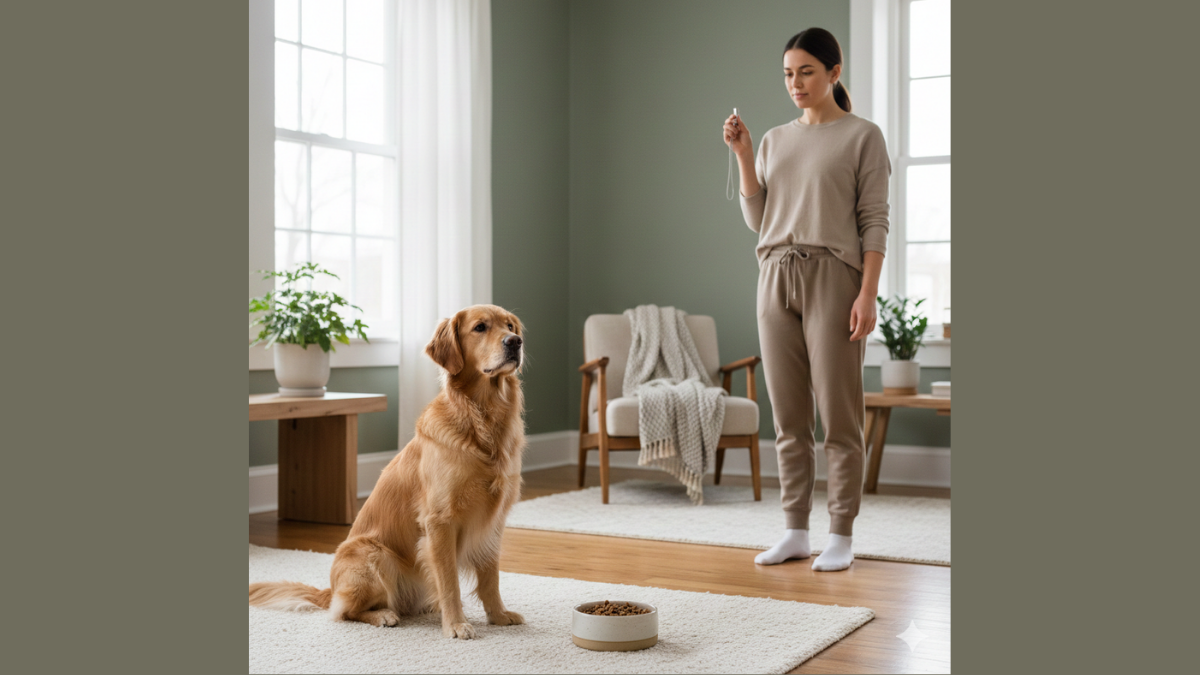
Winter training doesn’t stop indoors! Build clear handling, stops, casting, and lining skills while keeping your gundog engaged and confident.
Week 10: Handling Skills Indoors – When the Weather Closes In
Winter weather doesn’t have to mean lost training days. Indoor handling exercises are a fantastic way to strengthen communication, refine cues, and build your dog’s confidence in a controlled environment. These sessions are low-distraction, highly rewarding, and set the stage for successful outdoor work later in the season.
1. Stop Whistle Practice – Clarity, Confidence, and Reward
The stop whistle is one of the most important cues you can teach a gundog—but only if it’s applied correctly.
Key points for correct stop practice:
-
Stop when the dog is out in front, not at heel.
Stopping at heel can confuse the dog about what the cue actually means. A stop is about distance control, not micro-management at your side. -
Do not stop the dog if it is standing over something.
If the dog has already winded scent or located an item, stopping here risks frustration and breaks confidence. -
Wind direction matters.
Dogs working upwind may not detect scent early, while downwind dogs may detect it too soon. This affects when and where you ask them to stop.
Training progression with food bowls:
-
Early stage dogs: Allow the dog to reach the bowl and eat. After they finish, cue a stop and reward them for remaining in position.
-
Advanced dogs: Stop them before they reach the bowl, then reward by allowing them to move back to the bowl to collect the food. This strengthens distance control and understanding of the stop cue.
Indoor stops can be incorporated into calm, focused sessions without distractions like walking past dummies. The aim is clarity and confidence.
2. Casting Games – Something to Go To
Casting indoors is perfect for teaching direction, distance, and responsiveness in a controlled environment.
-
Use food bowls, toys, or dummies as the target for each cast.
-
Always ensure the dog has something to be cast to. A cast without a target loses value and can frustrate the dog.
-
Start with short distances and simple left/right directions, then gradually increase complexity.
-
Reward immediately when the dog reaches the target to reinforce correct behaviour.
3. Heelwork, Positions, and Turns
Indoor sessions give you the space to perfect the finer details of heelwork and positioning:
-
Work on correct shoulder alignment and body positioning at heel
-
Practice turns, about-turns, and small lateral adjustments
-
Reinforce starting and stopping at heel in short bursts
-
Add small micro-releases to reward accuracy
By building precision indoors, you create a dog that is more confident and responsive outside, even when distractions increase.
4. Lining Out
Lining out is another skill that benefits greatly from indoor practice:
-
Use a hallway, chairs, or cones to create a straight “line”
-
Place a food bowl or static reward at the end
-
Send your dog on cue, rewarding calm and confident movement along the line
-
Repeat until the dog moves accurately without rushing
This builds a solid foundation for outdoor lining later, without environmental pressures.
5. Why Indoor Handling Matters
Indoor handling sessions are not a substitute for outdoor work—they are the foundation:
-
Reinforce clarity in cues like stops, casts, and heelwork
-
Reduce overexcitement by practising calm focus
-
Build confidence and reliability
-
Create a dog that understands and responds to you consistently
-
Prepare the dog for more complex outdoor exercises later
By investing in short, structured indoor sessions now, you’re setting your gundog up for long-term success.