Bob the Dog: Nine Weeks In — Building the Relationship First
 Sue Watkins
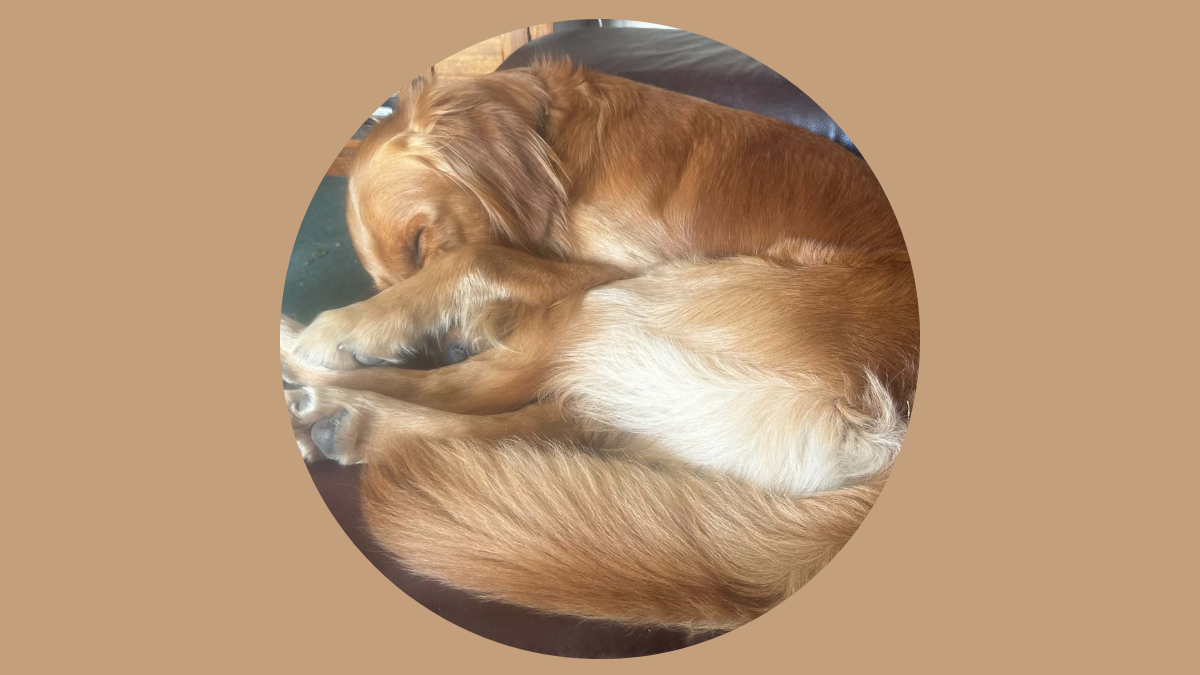
It doesn’t seem possible that he has been with us that long, although in some ways it feels as though he has always
Bob the Dog: Nine Weeks In — Building the Relationship First
We’ve now had Bob for nine weeks.
It doesn’t seem possible that he has been with us that long, although in some ways it feels as though he has always been here!
These first nine weeks haven’t quite gone to the plan I had in my head. The summer heat meant that training had to be kept short and sensible and, over the last few weeks, an infection in Bob’s foot has put another temporary brake on things.
But perhaps that has been no bad thing.
Bob is still a young dog mentally, and one of the things I have quickly realised is that he doesn’t yet have the stamina for long training sessions. Our training has therefore been done in short snatches, making the most of the opportunities we have rather than trying to cram everything in.
And that is an important part of training any dog.
The relationship comes first
Our biggest priority has been building our relationship and, in particular, Bob’s ability to engage with me.
Before worrying too much about how polished a retrieve is, how far away he can stop or how accurately he can cast, I want Bob to understand that working with me is worthwhile.
That means developing engagement, creating reinforcement value, learning how to communicate with each other and giving him plenty of opportunities to make good decisions.
The technical skills will come.
The relationship needs to underpin them.
Retrieving
Bob’s retrieves are coming on nicely.
We’ve been working on marked retrieves, memory retrieves and introducing blind retrieves, and I’m really pleased with the progress he is making.
A Lotus Ball has proved to be a particularly useful reinforcer for Bob and has helped us considerably in developing his retrieving behaviour.
He definitely has drive.
At this stage, I’m more interested in securing that drive and commitment than worrying about perfect steadiness.
There will be plenty of time for that.
Our next project is to start introducing a little steadiness without compromising the enthusiasm we have worked to develop.
That balance is important.
I don’t want a dog that is steady because I have taken away his desire to retrieve. I want a dog that is enthusiastic about the job but can also learn to wait for information from me.
Stop and casting
I’ve also discovered that Bob already has an understanding of the stop whistle.
It isn’t a distance stop yet, and I’m certainly not expecting it to be. At the moment we are incorporating it into our training mainly as a fun game.
He also has a basic understanding of casting.
Again, there is a huge amount still to develop, but these early foundations give us something to build on.
And, of course, we need to consider how these skills develop alongside his steadiness.
Everything is connected.
Dummies are VERY exciting!
Bob is certainly enthusiastic about his dummies.
Sometimes perhaps a little too enthusiastic! 😂
But I would much rather have plenty of desire to work with at this stage.
Training is about developing that enthusiasm into something useful, controlled and reliable rather than trying to suppress it.
Heelwork and everyday life
Heelwork is beginning to come along, although there is an important distinction between formal heelwork exercises and simply getting through everyday life.
For training purposes, we are beginning to build the skills I want.
For everyday movement in public, safety comes first.
At the moment we are using a headcollar to help manage Bob safely while we continue working on his lead walking.
Unfortunately, the harness has become associated with some previous poor use, so it isn’t currently a useful option for us.
This is a good reminder that equipment itself isn't necessarily the problem.
It is what the dog has learned about it that matters.
Sometimes we have to work with the dog and the history they arrive with rather than the dog we might have wished we had started with.
A BIG adventure
Today gave me one of those moments that makes all the little pieces of training worthwhile.
Bob and I headed off for an off-lead walk at Great Wood.
There was plenty of space to run, explore, pick up scents and, potentially, get himself into all sorts of mischief!
I was delighted with him.
He stayed relatively close, checked in with me regularly and recalled whenever I asked him to.
He even managed some reasonably good lead walking for a fair distance.
Was it perfect?
Absolutely not.
And I wouldn't expect it to be.
But it was good.
More importantly, it was good in a real-world environment rather than inside a training exercise where everything is carefully controlled.
Progress isn't always about another skill
We still have a long way to go with Bob.
There will be mistakes, distractions, exciting moments, setbacks and days when things don't look quite as good as they did today.
That's training.
But today's walk felt like an important marker of how far we have come in nine weeks.
Not simply because Bob recalled.
Not simply because he checked in.
Not simply because he walked reasonably well on the lead.
It was the combination of all of those things — and the fact that he wanted to stay connected with me while exploring the world around him.
For me, that is the real progress.
The relationship and the team come first, last and always.
The skills we teach our dogs matter, but they are far more valuable when they are built on a relationship in which the dog wants to engage with us and understands that working together is worthwhile.
Bob is only nine weeks into this new chapter of his life.
We've got plenty still to do.
But I think we're off to a pretty good start.
Categories: : Bob the dog!